
Newsletter 4 - DEMO 5 - Pilot road construction
Three pilots were developed in Maribor, Skopje and Madrid to demonstrate the feasibility of different circular economy business models that propose the construction of three roads construction using construction products manufactured with different recycled wastes, mainly CDW, according to the composition defined and tested during the previous steps of the project
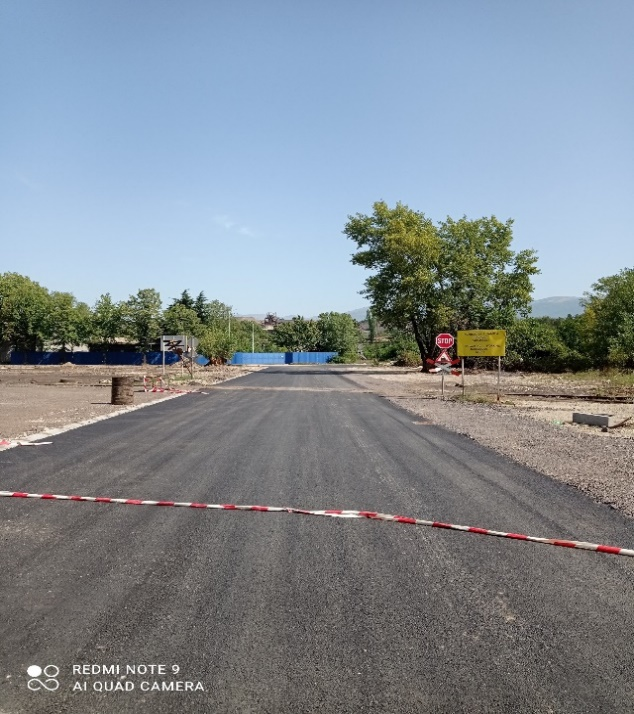
The Maribor pilot road construction is a road of approximately 200 meters long built with six different SRM-based construction products manufactured with six recycled waste. The Skopje pilot has built a 167 m access road manufacturing two SRM-based construction products with two recycled wastes. The Madrid pilot is a 400-meter access road to an esplanade built with five new eco-products manufactured with six different types of wastes.
Maribor pilot: selection of waste streams
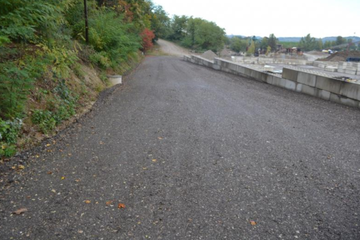
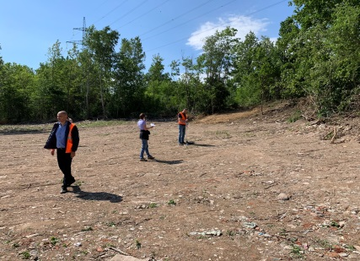
The Maribor road is located in an abandoned gravel pit and was unusable before the CINDERELA actions. The base of the road has been divided into four demo sections in order to demonstrate the use of different products.
Recycled waste asphalt and four recycled mixed construction waste coming from an external waste supplier and fly ash coming from an industrial company were used to manufacture six eco-products: two different mixtures of reclaimed asphalt with recycled mixed aggregate (Ra/Ru), mixture of Ra/Ru and coal ash, Ra/Ru with recycled mixed aggregate, natural reused aggregate, Ra/Ru with emulsion. The requirements for the sub-base layer are determined in the Slovenian Technical Specification (TSC 06.100:2003).
The results showed that the bearing capacity achieved the required values according to the TSC for other three road sectors constructed with Ra/Ru and mixture of Ra/Ru/RMA. One part of the road incorporated reused natural aggregate to compare long-term behaviour of materials and possible deformations between the road consisting of natural material and the other stretch built of recycled materials.
Skojpe pilot: waste data acquisition
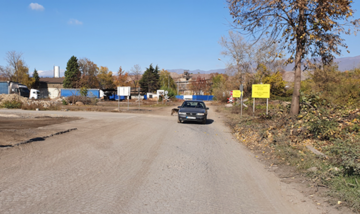
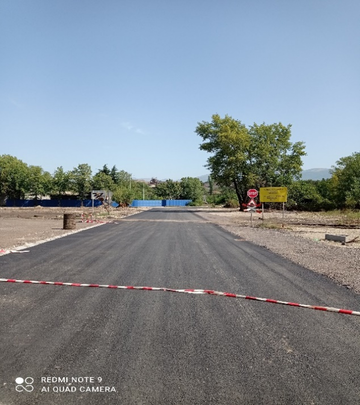
The site situation of the Skopje case study before the CINDERELA activities consisted on an existing unusable access road with five railway crossings. The road refurbishment was planned to respect the road and the railway, in order to allow the simultaneous use of both, executing the crossings in two different asphalt layers.
The existing black slag placed near the demo area was used to perform two new building products: a tamped-down basement surface and asphalting of the new road surface.
The requirements for the base layer and sub-base layer were determined by national requirements and Technical specification issued by the Public Enterprise for State Roads.
The results showed that the black slag had higher parameters for the physical-mechanical characteristics, as well as a higher weight than the traditional sub-base material. Black slag as an SRM fully meets the prescribed criteria for sub-base uses. A quality solution has been developed through the pilot test project, increasing road-user durability and safety.
Madrid pilot: reusing on site residues
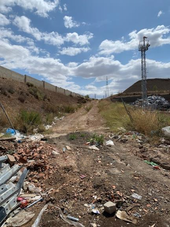
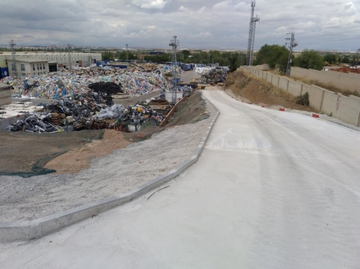
The road project pilot is located in an abandoned area and connects the entrance of waste management facility with a central platform. It was not accessible for vehicles in some parts.
As part of the complete solution to recover the area, the existing waste coming from the demolition of the old facilities located in this area were used to develop the new road, which was built over the new one.
Six residues (recycled mixed aggregates, recovered clay, recovered sand, recycled concrete aggregates, recycled ceramic particles and reclaimed asphalt pavement) were used to prepare five different eco-products: recycled filling for levelling, recycled filling, artificial graded with sand recovered, artificial graded and recycled concrete for floor. The residues coming from kiln demolition, stockpiled clay and other accumulated waste were processed in situ. The recovered sand, the recycled concrete aggregates and the reclaimed asphalt pavement came from external waste suppliers located in the area.
The requirements were determined by the national legislation, the PG-03:Set of General Technical Regulations on Civil Works for Roadways and Bridges.
The quality control of the products provides results higher than those required by Spanish national regulations in all products.
Conclusions
The road pilot demonstrations are great examples of how it is possible to effectively use large amounts of wastes to obtain recycled materials of different origin for use in construction products at major construction sites. Thus, the consumption of primary raw materials is reduced and landfill waste is minimized. Although numerous difficulties were encountered in the three cases, the projects were able to cover the material needs using the available wastes in different applications to achieve the eventual quality of the final products.
In the three cases, the manufactured products applied in the road construction contained high proportions of recycled materials meeting all the necessary technical requirements according to the national legislation. In some cases (i. e. Madrid), several of the designed products include 100% of wastes while the objective of the Waste Framework Directive is to reach 70% for CDWs.
The roads have been built in a relevant work environment with high technical demands: all will be used daily in commercial business. More than 9 tons of SRM were turned into 10 tons of recycled products, presenting a sustainable solution to the actual needs of the three constructions sites. The pilot demonstrations of SRM based construction have provided evidence-based knowledge on framework conditions that best enable their implementation. They represent a practical case study to encourage future investors, designers and construction companies to adopt recycling strategies as premise when planning their construction works.
Where and what have CINDERELA pilots done?
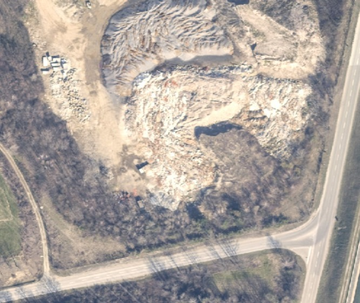
Maribor, Slovenia:
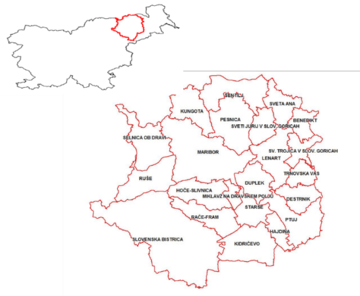
Maribor pilot location
The layer allocation diagram of Maribor road
| Section 1 | Section2 | Section 3 | Section 4 |
| MAR-P4 Mixture of Ra/Ru and Coal ash | Natural gravel reused material | MAR-P3 Mixture of reclaimed asphalt and recycled aggregate – Ra/Ru (0/22) |
MAR-P6 Mixture of reclaimed asphalt and recycled aggregate – Ra/Ru with RMA |
| MAR-P3 Reclaimed asphalt and recycled mixed aggregate (Ra/Ru) | |||
| Embankment with recycled material | |||
View of the initial and final state of the area in Maribor pilot
Madrid, Spain:
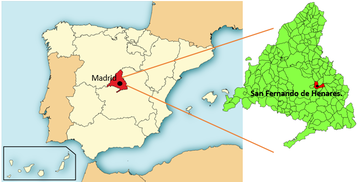
Madrid pilot location
The layer allocation diagram of Madrid road
| MAD-P4 Recycled concrete for floor |
| MAD-P5 Artificial graded aggregates |
| MAD-P3 Artificial graded with sand recovered |
| MAD-P2 Recycling filling |
| MAD-P1 Recycling filling for levelling |
View of the initial and final state of area in Madrid pilot
Skojpe, Republic of North Macedonia:
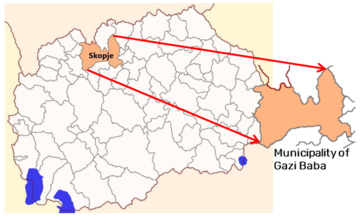
Skojpe pilot location
Road structure of Skopje case study
| SKO-P2 Aggregates for asphalt |
| SKO-P1 Aggregates for sub-base |
View of the initial and final state of the area in Skopje pilot
Tuesday 30 August 2022


 Copyright © 2026 Cinderela.